
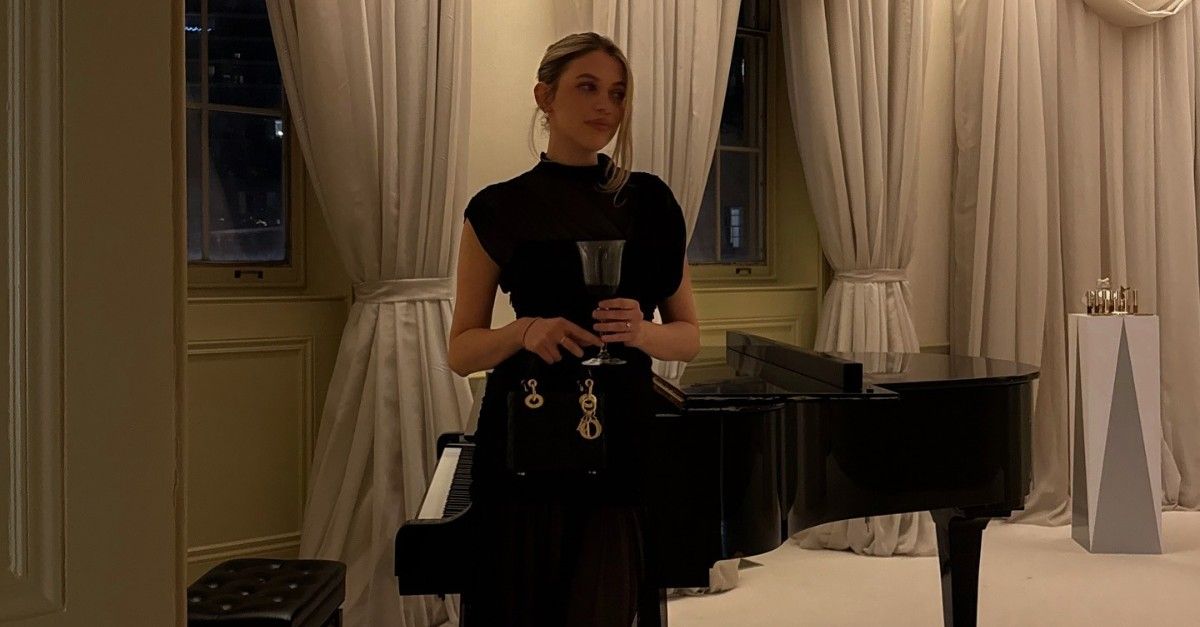
“You smell so good,” my husband remarks as I plop down beside him on the couch. It’s 6:45 p.m., and I’ve just spent a little over half an hour sardine-packed between fellow subway commuters, sweating underneath my wool coat as the train chugs across the East River. I smell like something, alright, but “good” isn’t it. I’m about to tell him that newlywed bliss is clearly messing with his senses, but then I catch it—a whisper of the sweet, crisp perfume I sprayed earlier that morning, lingering on my skin with a warm, spicy embrace.
I’m all for a cozy, winter-coded fragrance that evokes curling up next to a crackling fire, but a sophisticated, opulent blend (especially one with incredible sillage) will make my heart sing no matter the season. And this compliment magnet smells particularly expensive—aristocratic, almost, like it belongs on the wrist of a fancy royal. It’s a rumored favorite of Kate Middleton and Princess Charlene of Monaco, though, so maybe I’m just projecting; but I also suspect its intoxicating elegance comes from one wildly underrated note: camellia. Allow me to explain why.
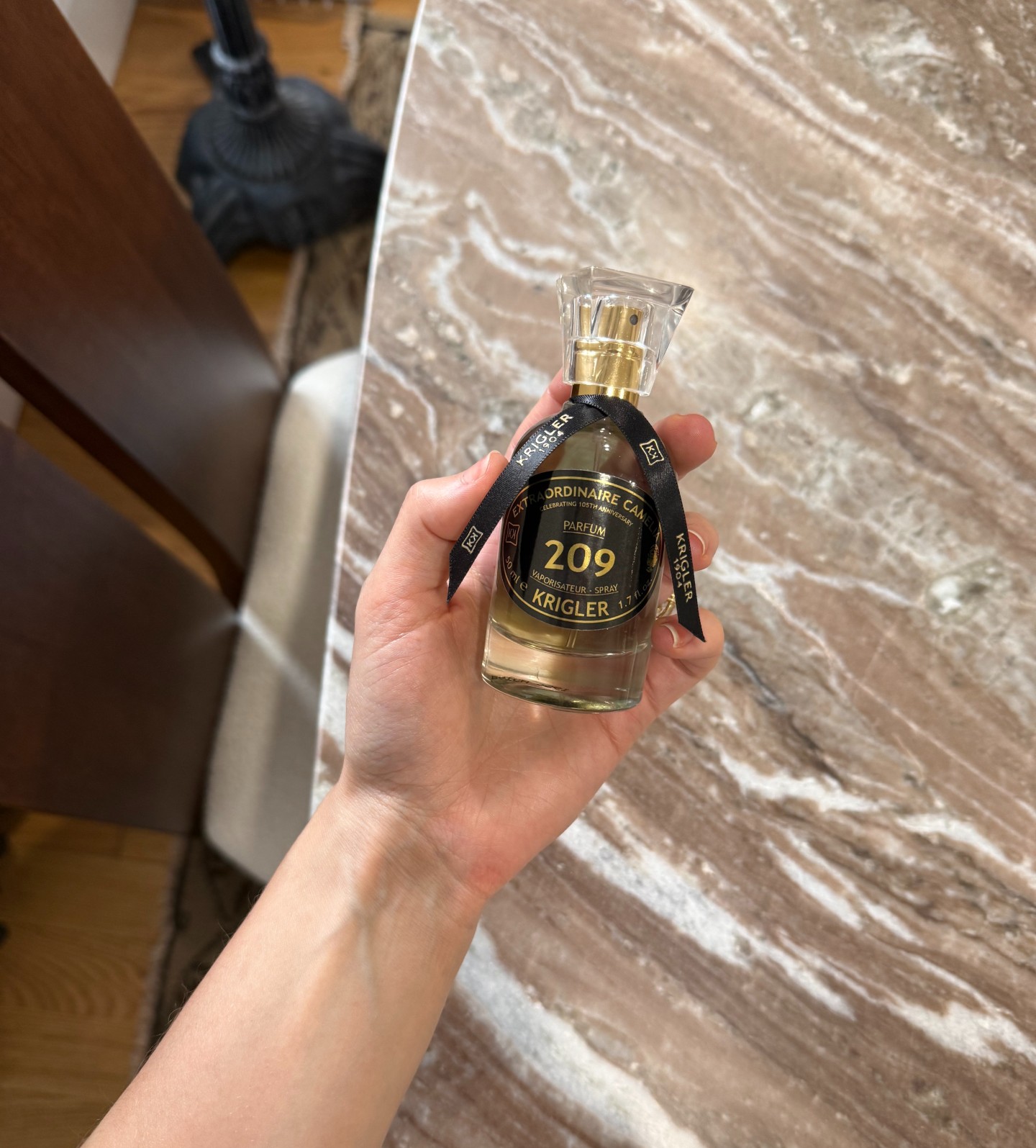
First, I must discuss the fragrance that kickstarted my camellia scent obsession. Krigler’s Extraordinaire Camelia 209 is not a brand-new blend (it launched back in 2009 to celebrate the brand’s 105th anniversary), but it somehow took me until this year to finally give it a spritz. I’m beyond grateful I did, because it has since become my everyday signature. I’ve genuinely never smelled another fragrance like it; I can’t explain it, but it just smells like pure opulence. It’s sweetly crisp at first spritz, but not in a “grandma glamour” sort of way, especially when those notes of cardamom, cedarwood, musk, peppercorn, and vanilla shine through on the dry-down. While it starts as a bright, fresh citrus, it settles into a musky floral, one you can recognize hours after the initial spray.
True to its name, camellia is the hero note here, and the blend features two varieties of the special bloom. Fun fact: Camellia is widely known as the “queen of winter flowers,” so rest assured this is a seasonally relevant scent. Camellias in the wild have little to no scent, but some varieties do emit a sweet, delicate aroma similar to jasmine or peony. In the fragrance world, perfumers will typically create “fantasy notes” (aka conceptualized smells using high-tech synthetics) from the flower and lean into its elegant, fresh facets or pair it with complementary notes like citrus and musk to deepen its presence.
Still, it’s not the most popular note, despite being cultivated for centuries in Southeast Asia, so you won’t find too many camellia perfumes on the market—but that’s exactly what makes the few that do so special. While not as ubiquitous as rose or jasmine, camellia feels like a quiet luxury. Krigler’s blend certainly has the steep price tag to match (a 50 milliliter bottle will set you back $595), but the compliments per wear will make the overall cost extremely worth it—at least in my experience. That said, the brand also offers a $45 sample housed in an equally luxe gold container, which may feel a little easier on your wallet. (Just be prepared to fall head over heels for the elegant scent.) Shop them both below, along with a host of other expensive-smelling potions.
Shop Camellia Perfumes
Krigler
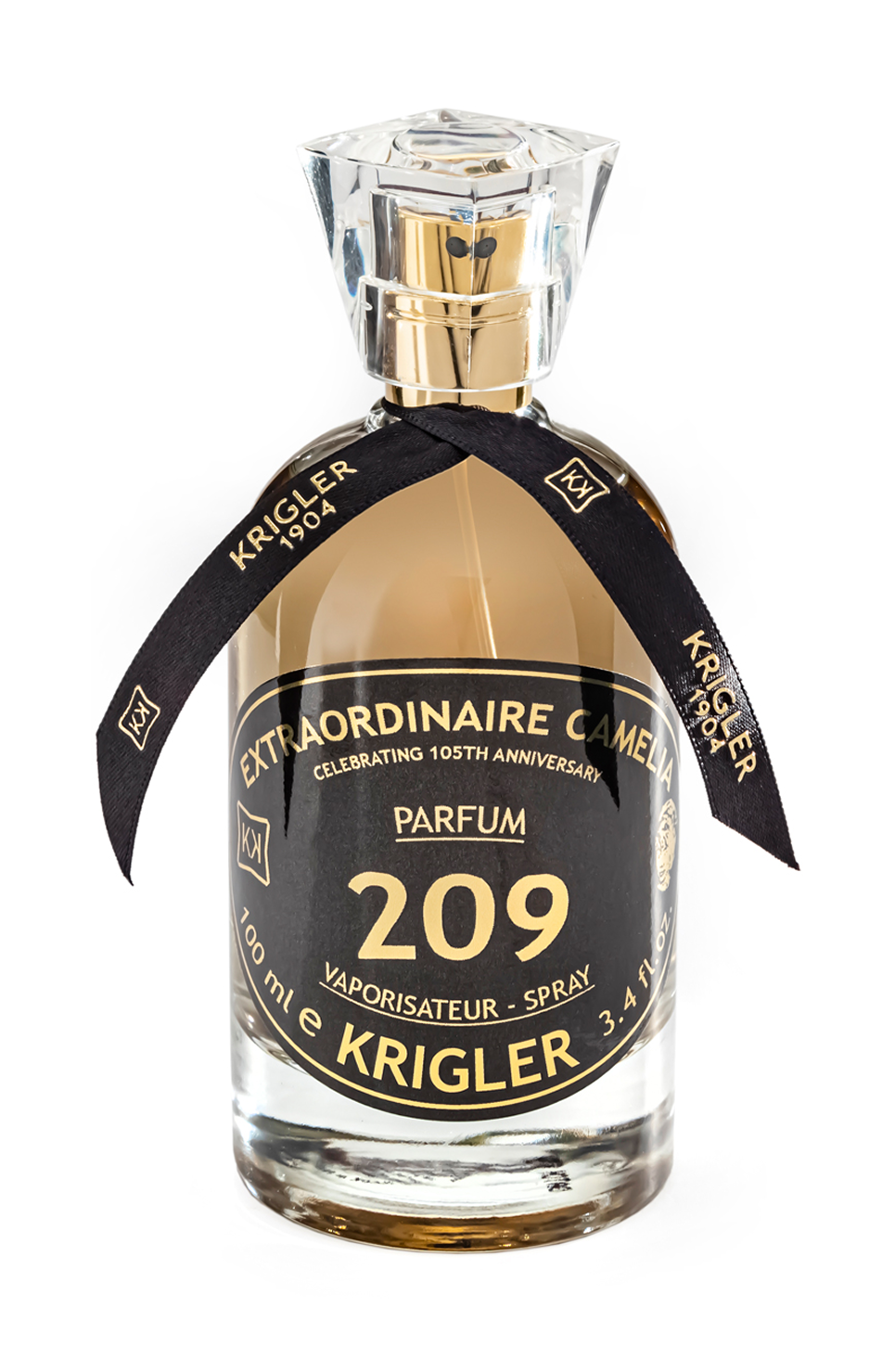
Extraordinaire Camelia 209 Perfume
Key notes: Bergamot, camellia, cardamom, cedarwood, lemon, musk, peppercorn, tea, vanilla
Needless to say, this is my favorite camellia scent at the moment. The unique blend is truly unlike anything I’ve ever smelled—at once fresh, sweet, bright, and musky. Not to mention it’s impressive staying power; yes, it’s pricey, but it’ll last you practically forever.
Krigler
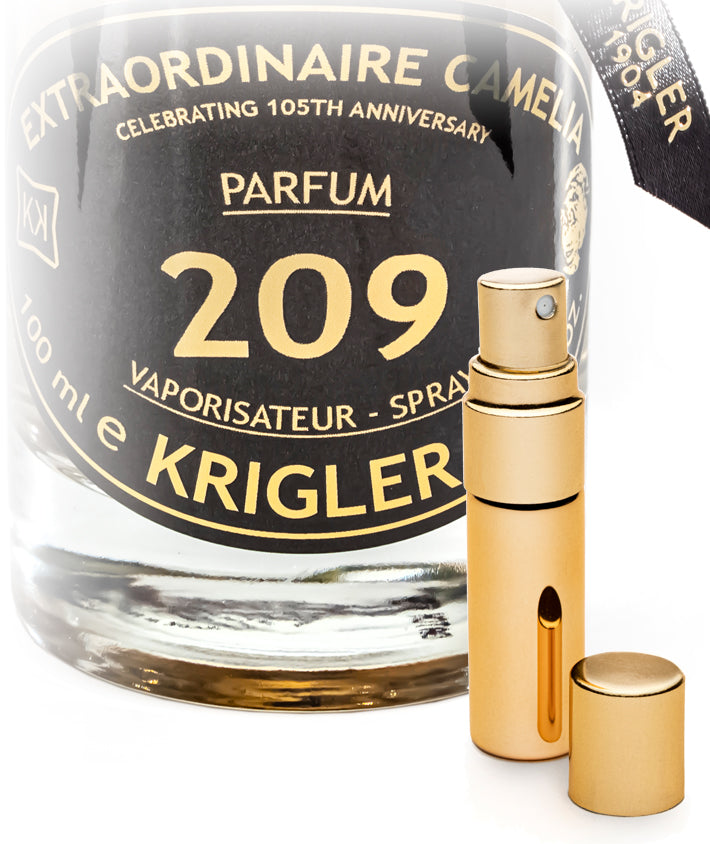
Extraordinaire Camelia 209 Sample
For those who remain unconvinced, I highly recommend testing the waters with the tiny version. As far as perfume samples go, this is arguably the most luxe. And again, the juice has impressive longevity, so the 2-milliliter bottle will last longer than you think.
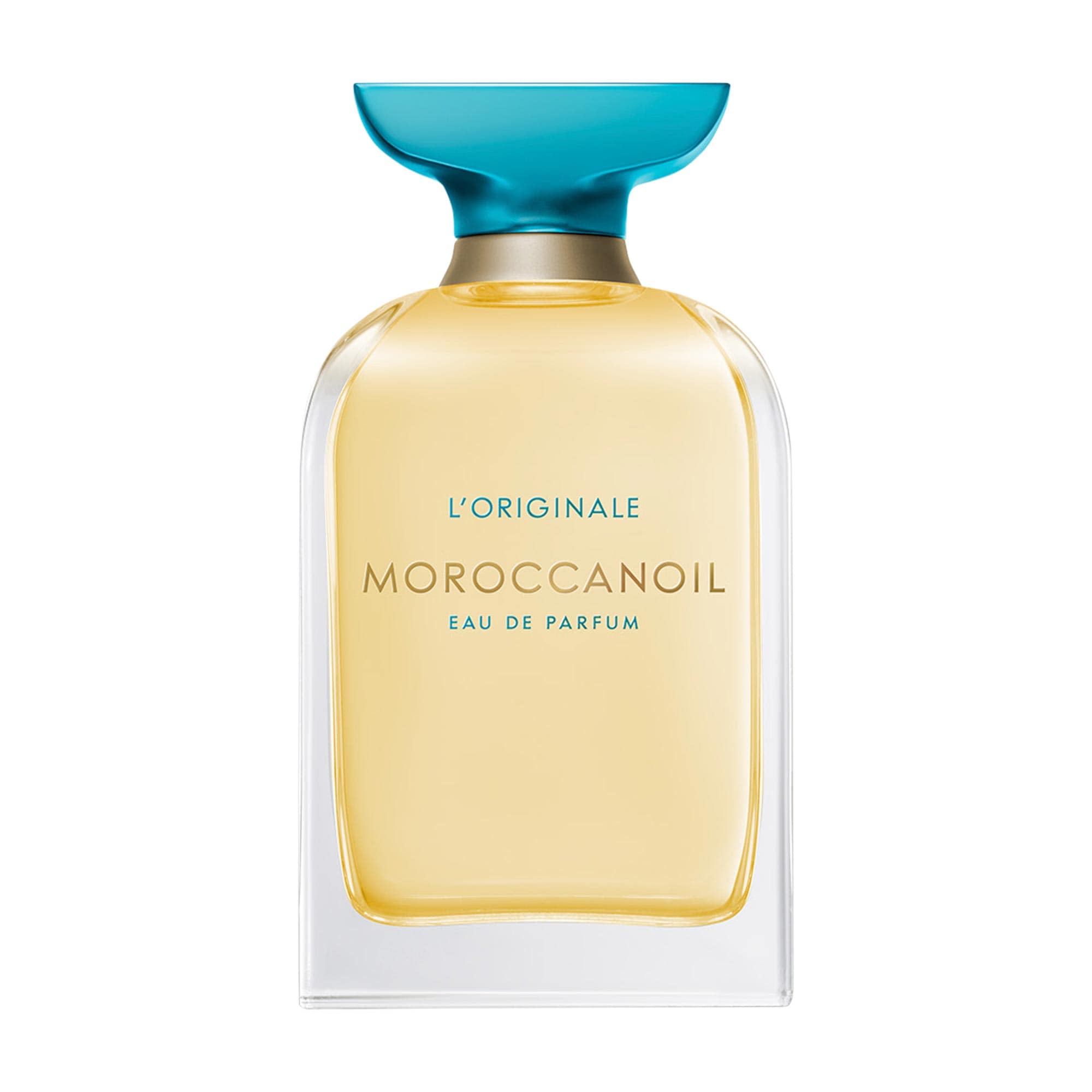
Moroccanoil
L’originale Eau De Parfum
Key notes: Violet, camellia, citrus, muguet, velvet woods, vanilla, white sandalwood, musk, amber
I’ve always thought Moroccanoil has the best-smelling hair products on the market, and when the brand finally launched its first-ever fragrance, I finally understand why. The citrusy-floral scent features camellia, violet, and vanilla, a downright intoxicating trio that smells like pure luxury. Take it from beauty writer Shawna Hudson, who considers it one of her all-time favorite fragrances. “This smells like it should be a lot more expensive,” she declares in a review.
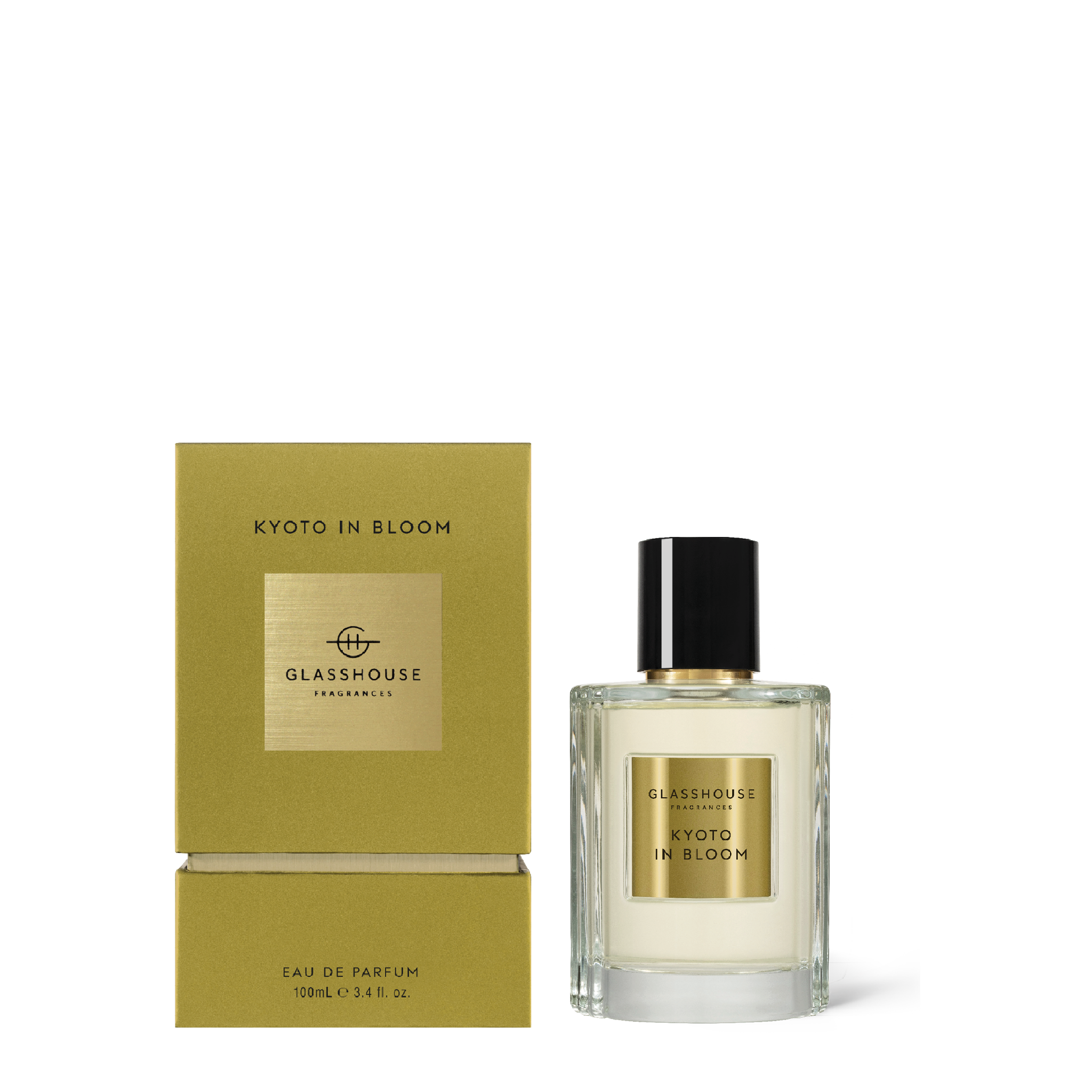
GLASSHOUSE FRAGRANCES
Kyoto in Bloom
Key notes: Pineapple, citrus, green, cream, camellia, orris, lotus, clover, sandalwood, amber, patchouli, musk, vanilla, tonka bean
Kyoto in Bloom is my favorite scent from Glasshouse Fragrances, a brand that’s known for mentally transporting you across the globe with its high-end home, bath, and body scents. The amber floral can be found in many forms (body lotions, candles, and eau de parfums), so feel free to quite literally surround yourself in this gorgeous camellia-lotus aroma.
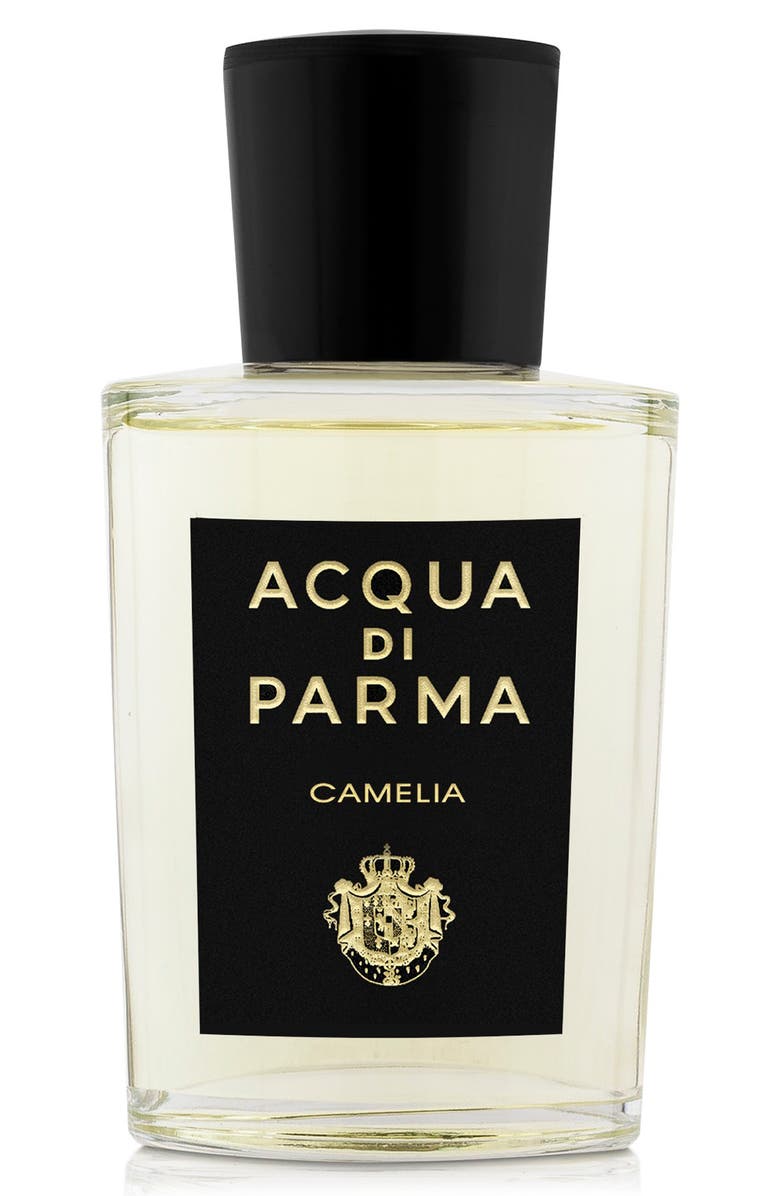
Acqua di Parma
Camelia Eau De Parfum
Key notes: Bergamot, yellow mandarin, pink pepper, cardamom, camellia accord, clary sage, benzoin resinoid, musk
If you’re on the hunt for a sophisticated, rich-smelling fragrance, look no further than this exquisite pick. This Nordstrom reviewer says it best: “This perfume is really sexy and sophisticated without smelling old. It reminds me of a mysterious foreign woman that everyone is obsessed with.” I’ll leave it at that!
Other Expensive-Smelling Florals to Try
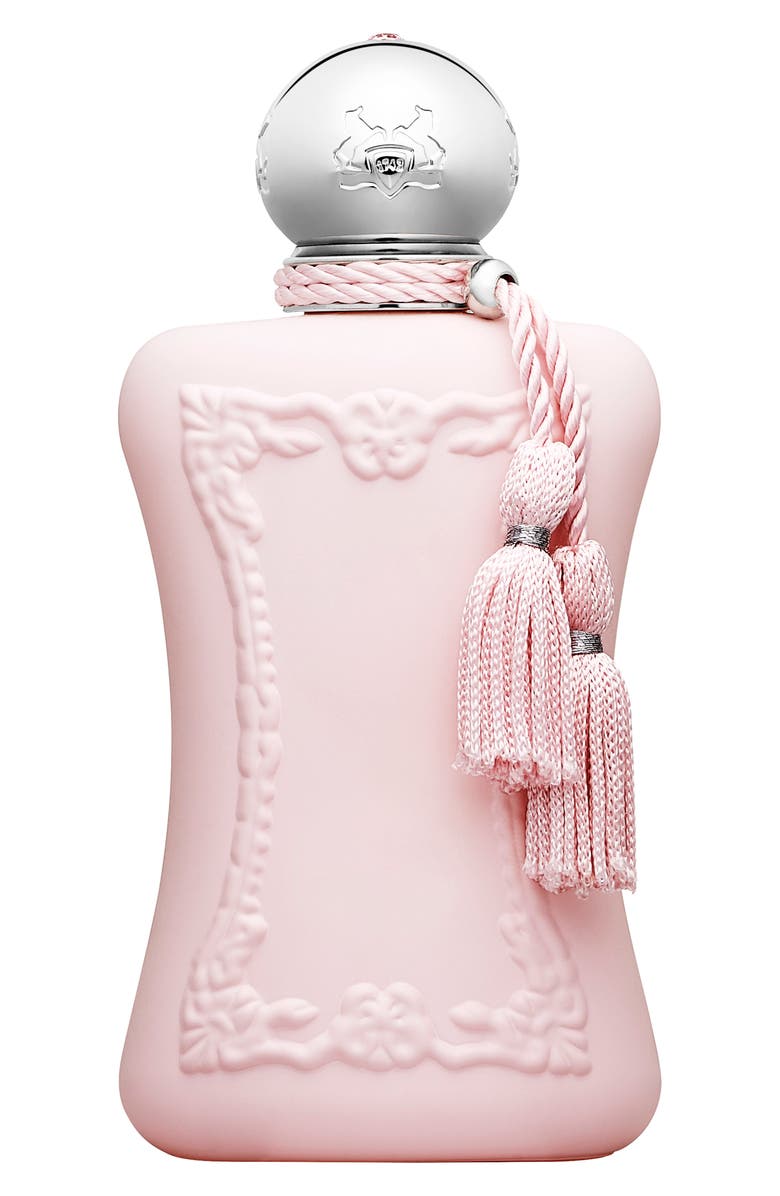
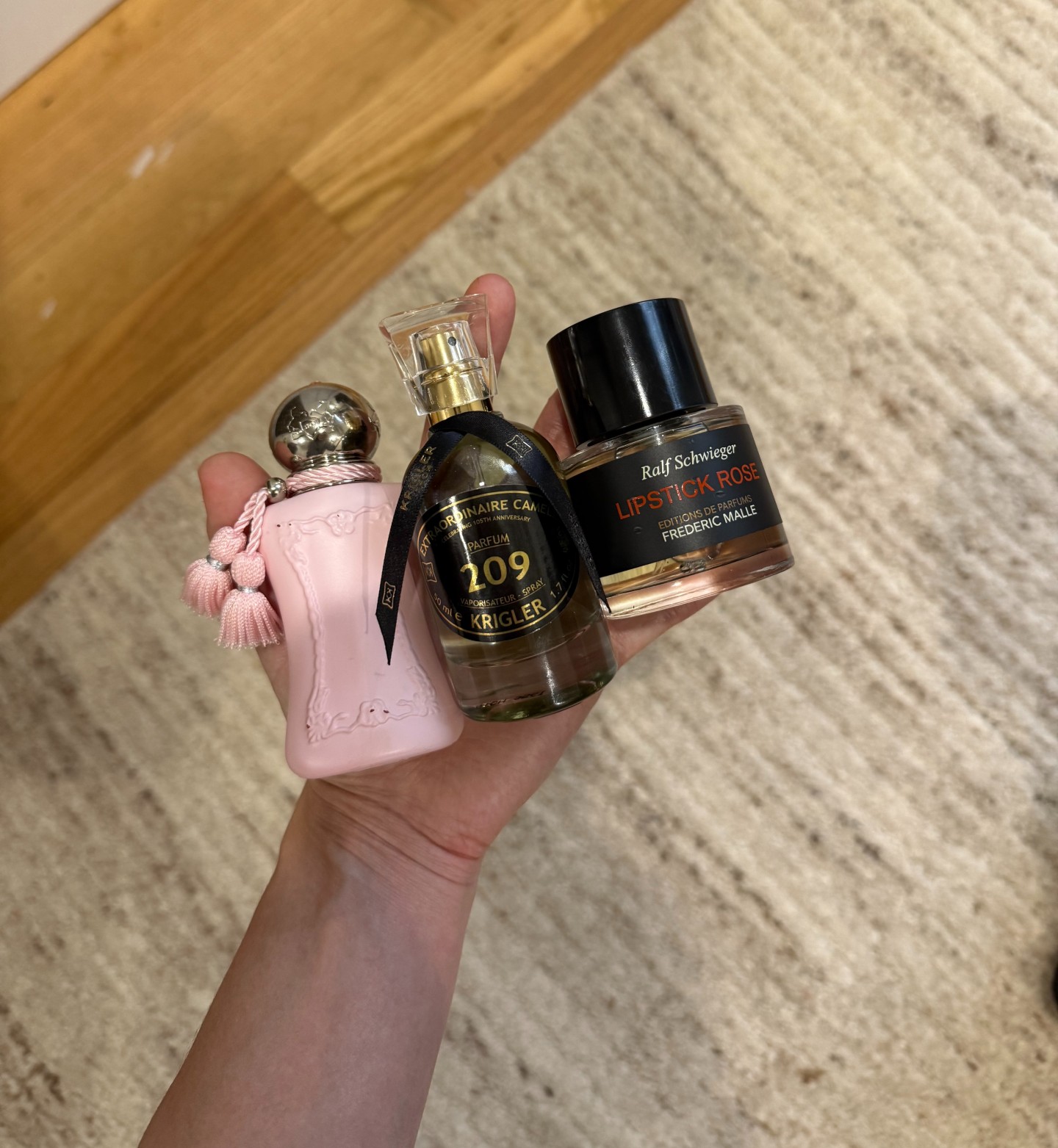
Parfums de Marly
Delina Eau De Parfum
Key notes: Rhubarb, lychee, bergamot essence, Turkish rose, peony, vanilla, cashmeran, musk, vetiver
The ornate pink bottle is reason enough to snag this luxurious floral fragrance. Soft, warm, and feminine, Parfums de Marly’s Delina is a forever editor-favorite.
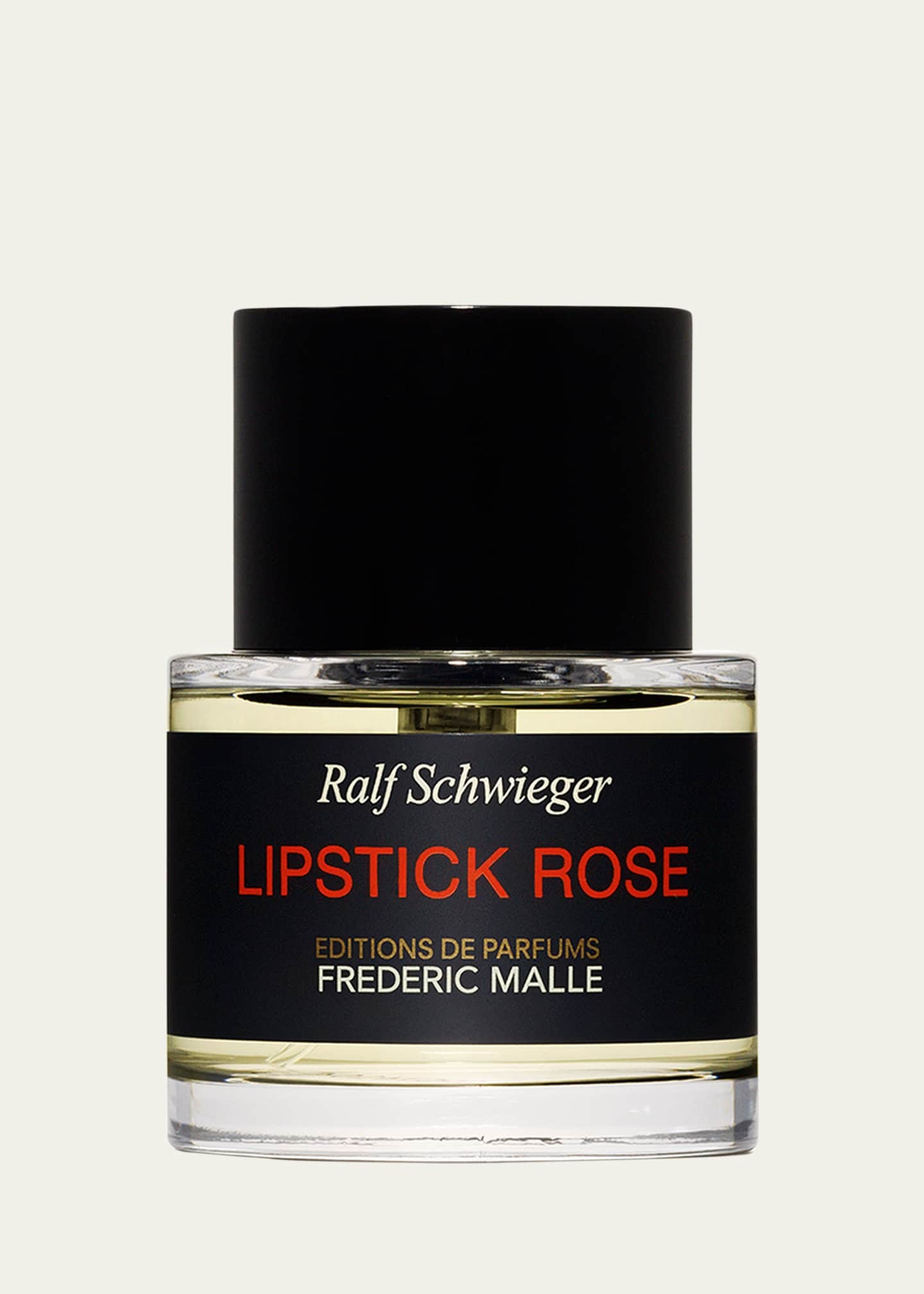
Editions de Parfums Frederic Malle
Lipstick Rose
Key notes: Rose, grapefruit, violet, musk, vanilla, vetiver, amber
Inspired by Hollywood glamour and the perfumer’s mother’s lipstick, this powdery, sweet floral is quite the enchanting pick. It’s what I imagine a chic French lady would display on her antique vanity, along with other fancy beauty heirlooms.
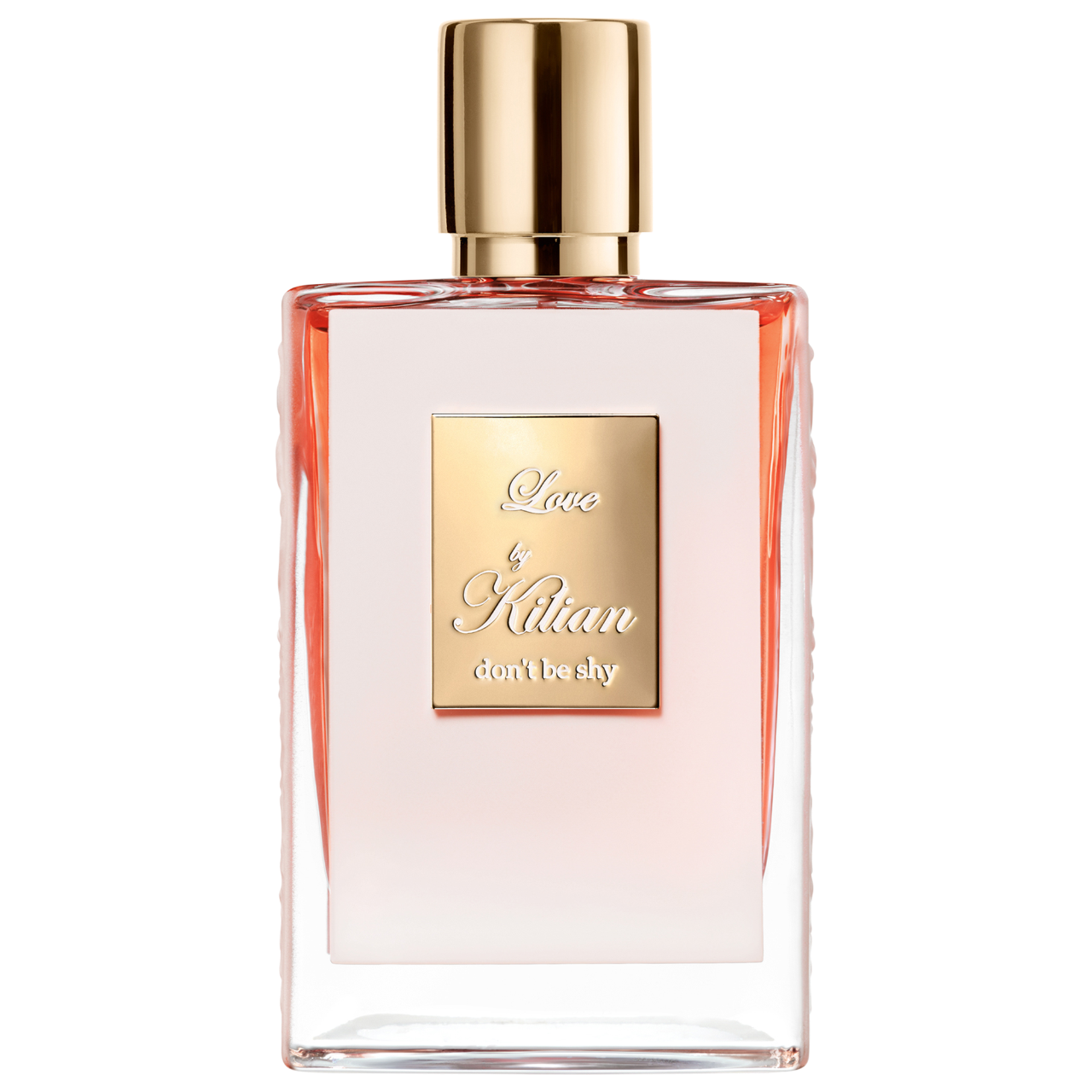
Kilian Paris
Love, Don’t Be Shy Eau De Parfum
Key notes: Marshmallow, orange blossom, rose essence, honeysuckle, vanilla
Of course, I must include the expensive-smelling potion that’s a longtime favorite of Rihanna’s. It’s definitely on the sweeter side, but it settles into such a dreamy, subtle trail.
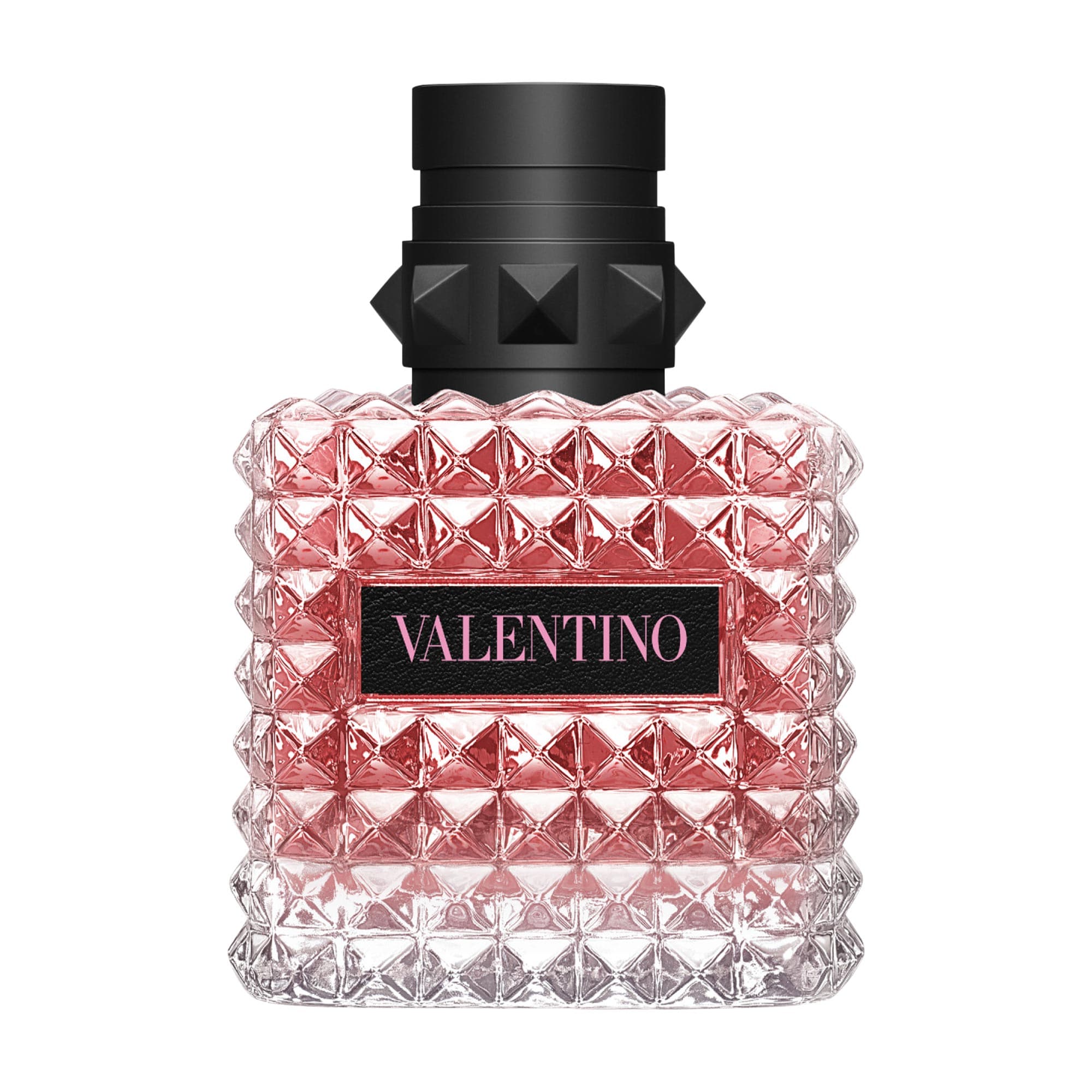
Sephora
Donna Born in Roma Eau De Parfum With Bourbon Vanilla & Jasmine
Key notes: Blackcurrant, jasmine grandiflorum, bourbon vanilla
Jasmine, known for its strong floral character, will always make a fragrance smell rich. When paired with juicy blackcurrant and smoky bourbon vanilla like in this Valentino blend, the note has a sensual edge that always attracts compliments.
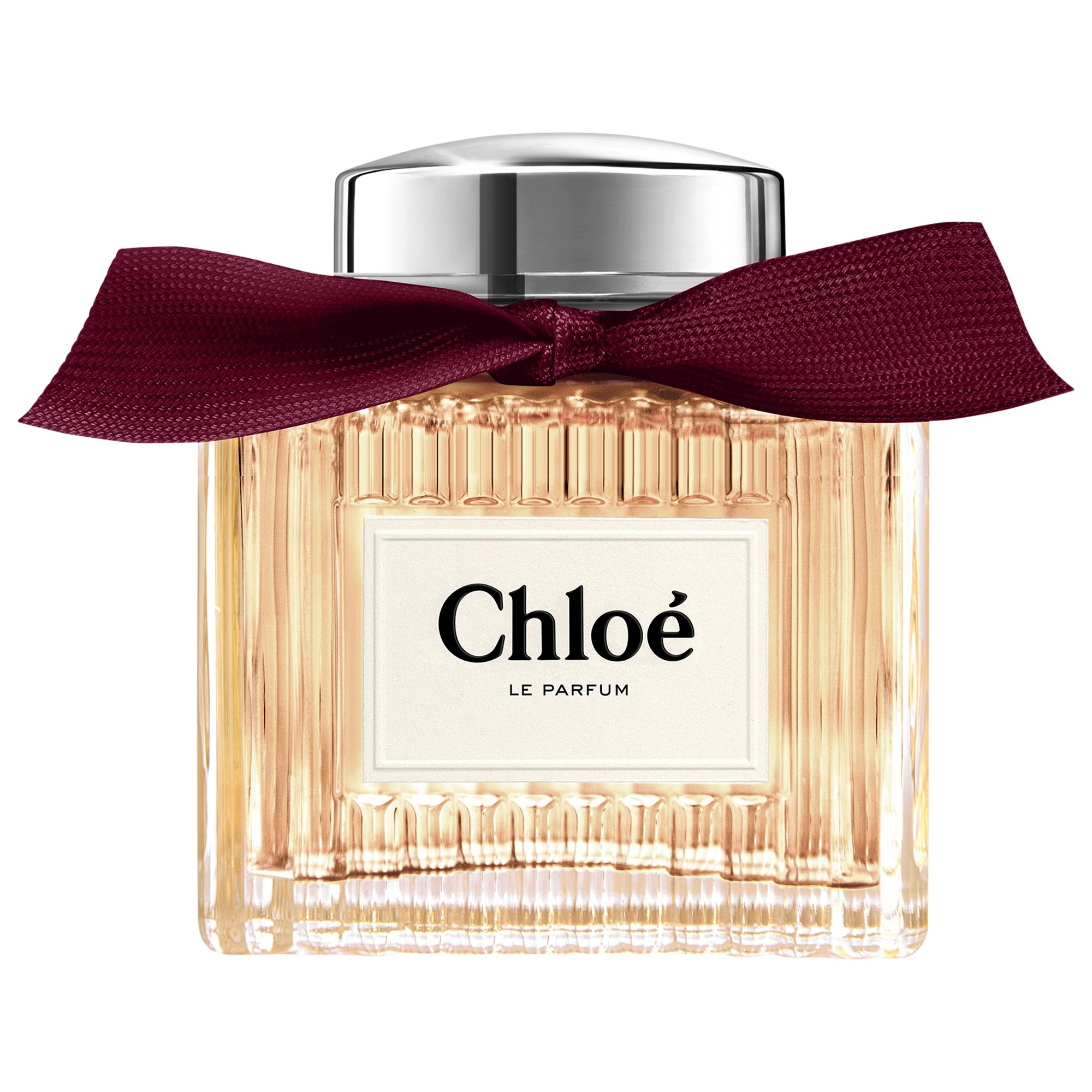
Key notes: Orange blossom, rose, tonka bean, vanilla
Chloé perfumes are the epitome of elegance, but the orange blossom and tonka bean here make the feminine floral a tad more seductive. Still, it’s Chloé we’re talking about, so rest assured the juice remains delightfully understated.