

It’s always a matter of time before the most popular TV shows of a given year become subject to controversy for issues both on and off-screen. However, one area of modern television which we don’t often regard as highly controversial are costumes. From classic network sitcoms to big-budget period dramas, costumes can be an integral part of a narrative, and as a result can be subject to scrutiny from fans regarding historical accuracy, practicality, or just plain fashion sensibilities. Even actors themselves have been known to be very opinionated when it comes to their characters’ costumes, for better or for worse.
While some TV characters have worn spectacular costumes over the years, others maybe added fuel to the fires of the following wild controversies and scandals involving TV characters, actors, and behind-the-scenes talent.
Fans hate that Halo removed Master Chief’s helmet
Adapting an incredibly popular video game franchise with a diehard fanbase is always going to pose a challenge. However, Paramount+’s “Halo” series in particular courted online discourse by taking huge swings with the games’ lore. The show centers on a war between humanity and an alien race known as the Covenant, with Pablo Schreiber playing the iconic super-soldier Master Chief, a staple of the games. The show creators took great strides in recreating Master Chief’s signature armor and helmet in live action, albeit making one huge mistake in the process.
For a huge majority of “Halo,” Schreiber’s character is depicted with his helmet off, which is essentially like if you were watching a “Batman” show where Bruce Wayne is never wearing his cape and cowl. So many iconic moments from the games feel less impactful when you’re seeing Master Chief without his enigmatic face obscured. Besides, other shows like Disney+’s “The Mandalorian” and HBO’s “Watchmen” have demonstrated it’s very possible to create a compelling character whose face is rarely seen.
Ultimately, this and a lot of other fans’ gripes with how “Halo” adapted its source material led to Paramount+ canceling the show after two seasons. It especially didn’t help that the show was mired in other controversy, including a sex scene between Master Chief and a prisoner of war that some felt was out of character for the series’ supposed hero.
Gillian Anderson wasn’t a fan of her fashion in The X-Files
Dana Scully from Fox’s “The X-Files,” played by Gillian Anderson, is something of a fashion icon. Her combo of iconic red hair and wardrobe of pant suits may seem boring to some, but they ended up being the perfect fit for the show’s skeptic FBI agent. However, one person who wasn’t as in love with Scully’s costume choices throughout the show was none other than Anderson herself, whose take on the character actually originated from the drab clothes she wore to her audition.
“I borrowed a suit from a friend of mine … she looked very good in oversized suits and clothes,” Anderson told CBC. “So, I walked into the first audition for ‘The X-Files’ in a very oversized suit and looked somewhat frumpy.”
Nevertheless, Anderson has been open about her many problems with “The X-Files” throughout its run, including her hatred of the character’s own fashion. She’s even admitted to finding it hard to look back at old episodes and photos of her from the ’90s, feeling like she should’ve stuck up for herself more rather than be forced into wearing very unflattering outfits, in her eyes. In some corners of the internet while “The X-Files” was airing, this sentiment was not an unpopular one.
Online fans created entire websites to track Scully’s outfits throughout the best episodes of “The X-Files,” attracting thousands of viewers to comment on the clothes Anderson wore in every single scene or frame. Criticisms were targeted at certain poorly aged fashion choices, such as plaid outfits that made Anderson herself say in a Reddit AMA, “[The most embarrassing moment on set] was [wearing] my pastel purplish pantsuits, they weren’t even natural, like Lycra.”
Bridgerton’s Regency attire upset historians
As it’s set in 19th century London, Netflix’s “Bridgerton” is riddled with fancy dresses, ornate suits, and splashes of color that you’re unlikely to find in other period pieces depicting similar eras. However, the creative liberties taken by costume designers in “Bridgerton” have prompted criticisms from historians and nitpickers about just how historically accurate any of these outfits actually are. These criticisms have ranged from lightly pointing out unlikely outfits for British nobility to calling the entire show a fantasy based on, simply, its clothing.
According to costume designer Ellen Mirojnick, who was behind many of the iconic fits of Phoebe Dynevor’s Daphne and Regé-Jean Page’s Simon, real Regency attire is often eschewed in the pre-production process in favor of costumes that pop off the screen. As she told The Cut, “Our show is a fictionalized version of 1813 and the Regency era … that allowed me to really step out of the box and look at inspiration from many different areas.”
Nevertheless, creative liberties haven’t excused controversy over the lack of attention to detail when it comes to more specific aspects of the costumes. Many costumes throughout “Bridgerton” utilize trends of the Victorian era, which came several decades after Regency-era England. It may not seem like that big of a deal to non-historians but just imagine if you were watching a TV show set in the 1960s featuring outfits from the 1980s.
John Belushi’s SNL Samurai nearly killed a host
“Saturday Night Live” has had a lot of controversies over the 50 years it’s been on TV. There’s been musical guests going off-script and getting banned, guest hosts that sparked outrage and protests, and as to be expected with a late-night comedy show, a lot of sketches and characters that have aged rather poorly over the years. One of those badly aged characters can be traced back all the way to the show’s first season and one of its biggest stars: John Belushi, who originated Samurai Futaba in the famous 1975 episode of the series hosted by Richard Pryor.
It goes without saying why Belushi’s Samurai character wouldn’t be done today, given he’s a white man playing an Asian stereotype, going as far as speaking Japanese-sounding gibberish and wildly swinging a katana around. Even when Mike Myers played a Japanese game show host on “SNL” in 1994, the comedian at least authentically learned his lines in Japanese. However, there’s more reasons why Belushi’s character created controversy.
On an episode hosted by Buck Henry in 1976, Belushi’s out-of-control behavior with the real katana resulted in him accidentally hitting the host in the head, drawing actual blood. For the rest of the episode, Henry (and other cast members in solidarity) appeared with bandages on their heads as a way to laugh off the near-fatal accident as a funny joke. Thankfully, many of the best “SNL” characters of the last decade aren’t nearly as dangerous.
Eleven’s athletic look in Stranger Things 5 wasn’t loved by fans
The final season of “Stranger Things” left many big questions unanswered. There’s the secret ninth episode that never existed, the ambiguous fate of beloved characters, and the fact that part of the plot is tied to a Broadway show that most viewers have not seen. You’d probably have an easier time listing aspects of “Stranger Things 5” that didn’t result in controversy, but fans had criticisms for even the most minor of issues, such as Eleven’s outfit.
For pretty much the entire fifth season, Millie Bobby Brown’s iconic character wears an outfit that’s more practical than stylish, drawing inspiration from Josh Brolin’s shorts-over-sweatpants and bandana look from the ’80s classic “The Goonies.” Even the actress herself was put-off by the character’s lack of fashion sense, reportedly emailing the Duffer Brothers with reservations about the look.
However, the costume has its origins in the narrative. Previously, Eleven’s fashion was heavily influenced by Sadie Sink’s Max, who spends the time between Seasons 4 and 5 in a coma. Though Brown reportedly grew to like the comfy outfit, fans feel the character’s fashion was pretty questionable for the last two seasons of the hit Netflix series. At least that’s how you know they nailed the vibe of the ’80s.
The Crown dramatized Prince Harry’s infamous costume scandal
They’re no strangers to controversy in Buckingham Palace, and some of that dirty laundry has been re-aired thanks to Netflix’s “The Crown,” which traces the reign of Queen Elizabeth throughout several decades, with Claire Foy, Olivia Colman, and Imelda Staunton playing her at different ages. By the show’s final season, it’s caught up to more recent scandals in the royal family, including one notorious gaffe from Prince Harry.
Namely, in 2005, Harry landed in hot water after he was spotted at a party wearing a Nazi costume, which he later admitted was a lapse in judgement. This moment nevertheless not only made it into the Netflix series but is a part of the series finale of “The Crown.” The Netflix version notably differs from Harry’s own account of the story in his memoir “Spare,” blaming his brother William and William’s then-girlfriend Kate Middleton for encouraging him to wear the greatly offensive look.
While the Nazi costume’s appearance in “The Crown” is purely a retelling of modern history, the show’s creator Peter Morgan intentionally did not read “Spare,” so as to not let his own depiction of events be influenced. Harry has publicly called “The Crown” a complete fiction, telling Stephen Colbert in 2023 (via Variety) that he not only fact-checks the show, but finds it “so important that history has it right.” Odds are he isn’t thrilled his most embarrassing scandal was brought back to light.
Sansa Stark’s Game of Thrones wedding dress was made for controversy
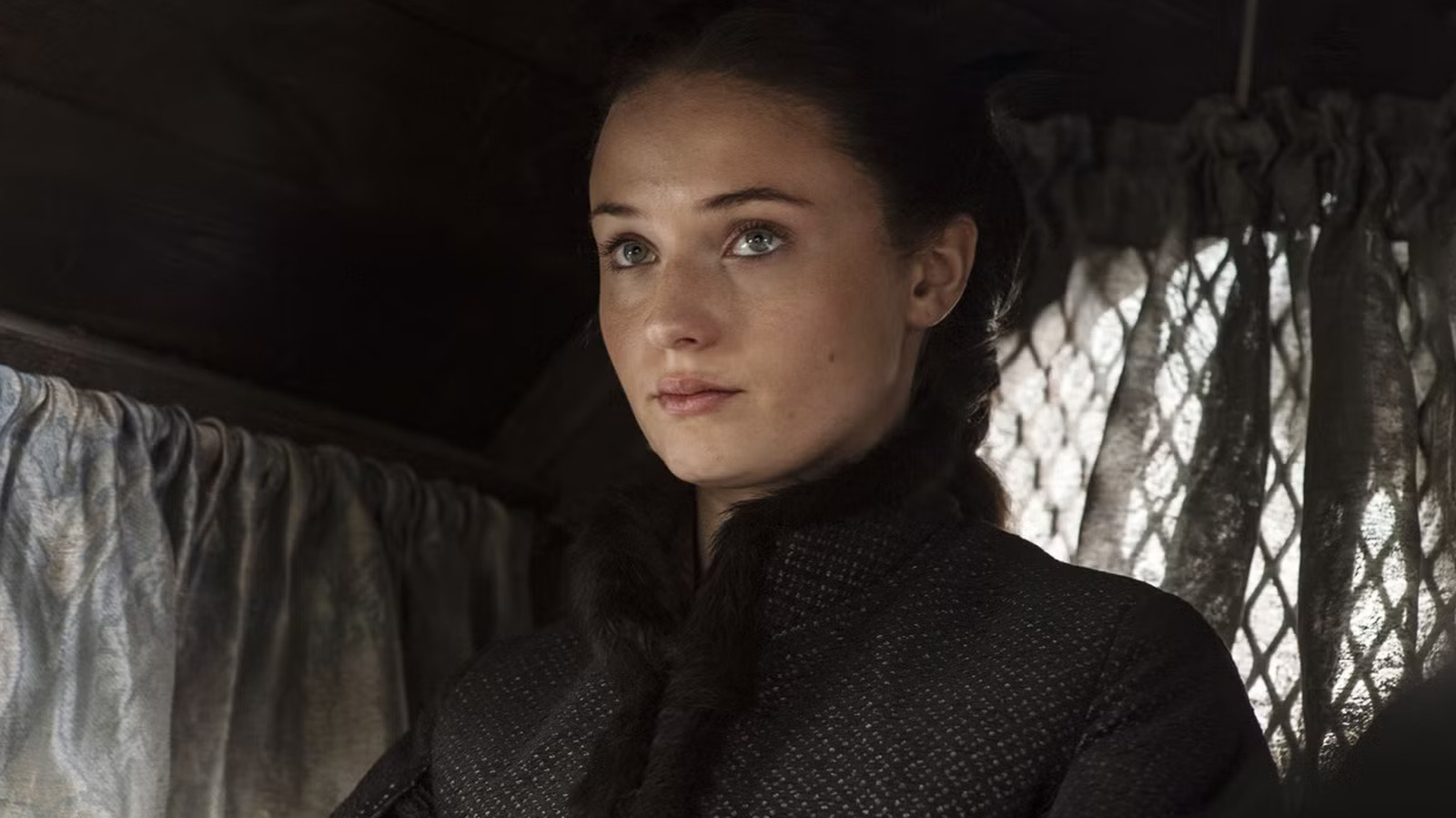
Oftentimes, the controversy surrounding costumes in “Game of Thrones” related to actors not wearing them, though there’s one exception in the series’ fifth season. Among the show’s most controversial storylines is Sansa Stark’s (Sophie Turner) marriage to Ramsay Bolton (Iwan Rheon), which goes against her seemingly empowered ending in the fourth season, thrusting her right back into being the imprisoned victim of an abusive, cruel man. In the sixth episode of the season, “Unbowed, Unbent, Unbroken,” Sansa is raped by Ramsay on her wedding night whilst Theon Greyjoy (Alfie Allen) is forced to watch.
Though many were triggered by the horrific scene despite it being defended by the cast and crew, wait until you hear about the involvement of the costume designers. Sansa’s ornate white wedding dress was specially designed to be easily ripped off her by Ramsay and then easily sewed back up to do another take, according to costume designer Michele Clapton.
If you or anyone you know has been a victim of sexual assault, help is available. Visit the Rape, Abuse & Incest National Network website or contact RAINN’s National Helpline at 1-800-656-HOPE (4673).
A lot of the period costumes in Vikings are unlikely
If we’re being entirely realistic, there’s debate over whether or not Ragnar Lodbrok even existed, let alone if the TV show “Vikings” that dramatizes his adventures is historically accurate. Nevertheless, it’s a show on the History Channel, so discourse has nevertheless ensued over whether or not the show’s depiction of Scandinavian barbarians and conquerors is entirely true or not. Among the various criticisms historians have had with the show have, of course, come down to how realistic the costumes are for the time period.
While some have pointed out how unlikely it is that Vikings like Ragnar would have any head tattoos, given the cold climates they typically inhabited, archaeologists have also voiced gripes with “Vikings” characters for their costumes being made primarily of leather — which was pricier and scarcer in the Viking Age — and ornate jewelry.
Additionally, “Vikings” drew criticism from history buffs for its depiction of Roman soldiers in the fourth season, wearing stereotypical Roman armor that would’ve been the norm for the 3rd century, not the 9th century. However, the show’s costume designer Joan Bergin claimed some of the wardrobe decisions for the show came down to wanting them to visually stun more than reflect actual history.
“Overall, I think you just try to be as true and as original as you can and take some liberties to make it interesting,” she told Entertainment Weekly.
Sure, the real sticklers for Viking history may have problems, but when you see actors like Kathryn Winnick donning resplendent gowns, you have to give costumers credit for doing their job.
Euphoria’s Halloween costumes were questionable
Sam Levinson’s HBO series stars an ensemble cast of Hollywood’s newest A-list, including Zendaya, Sydney Sweeney, Jacob Elordi, and Hunter Schafer, whose characters are all exploring drugs, their sexualities, and social media, whilst also dealing with … erm, being high schoolers. Though it’s hard to tell which parts of “Euphoria” are meant to incite online controversy and which parts are authentic storytelling, a Season 1 episode pushes boundaries past the point you can suspend your disbelief.
In “The Next Episode,” the cast of the show all attend a Halloween party, though some of the costumes are pretty wild for high schoolers. Sweeney’s Cassie dresses as Alabama from “True Romance”; Maddy (Alexa Demie) dresses as 12-year-old Iris from “Taxi Driver,” another sex worker; and finally, Kat (Barbie Ferreira) dresses as Thana, the mute nun-turned-killer from Abel Ferrara’s 1981 exploitation film “Ms .45.” Although the costume choices were hailed by some fans for reflecting the characters’ inner conflicts, others rightfully pointed out that the deep cut cinema references are more in line with Levinson’s own preferences than what high schoolers of the time would actually be watching.
Obviously, “Euphoria” is notorious for pushing the envelope, and it will continue to do so in the third season coming in 2026. Still, dressing teenaged characters as sex workers, even though the actors were well past their own teenage years, could have turned a lot more people off of “Euphoria” than it did.